Community
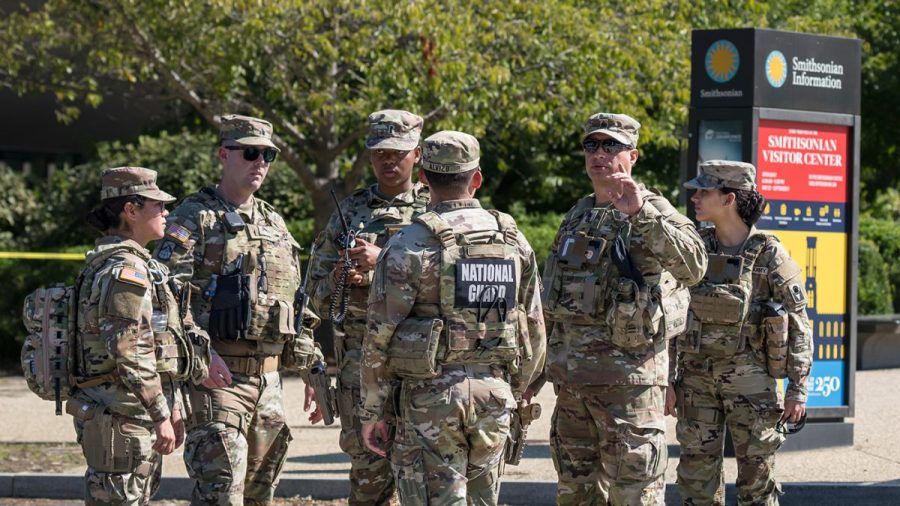
Man arrested near White House for making 'finger gun' gesture at National Guard
By Mark Thompson
Advertisement · Why this ad?
Mark Thompson has spent over a decade highlighting community stories across Chicago. He graduated from Northwestern University and has contributed to various local outlets, including Chicago Reader, focusing on grassroots initiatives and neighborhood developments.
More from Mark →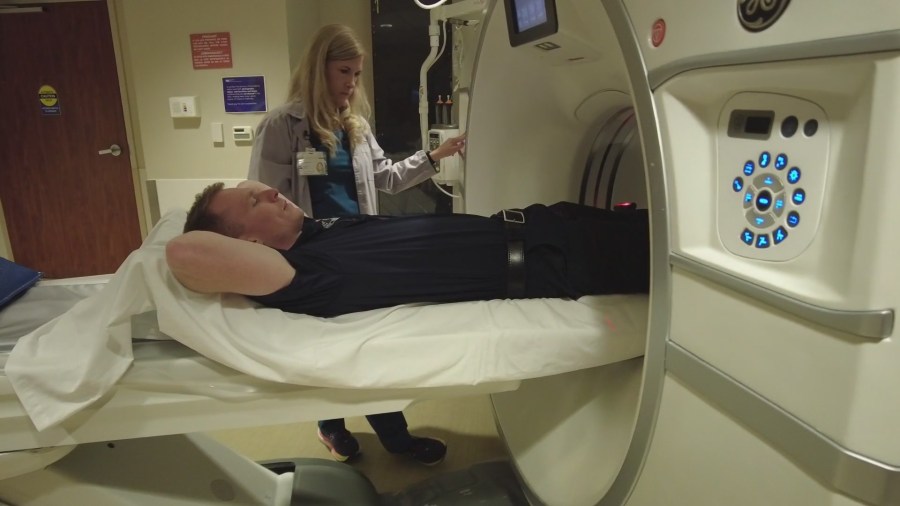
On a chilly morning in Chicago, firefighter James Rodriguez, his face streaked with soot after battling a stubborn blaze in a historic building in the Pilsen neighborhood, pauses for a moment of reflection. His badge glints in the sunlight as he prepares for the day ahead, knowing that beneath his uniform lies a silent threat—exposure to toxic fumes that could impact his health for years to come. For James and countless others like him, hope arrives in the form of a new initiative: a low-dose CT scan program designed to detect early signs of toxic exposure and safeguard their well-being.
In a groundbreaking move, Chicago’s fire department has partnered with local health agencies to offer firefighters access to low-dose computed tomography (CT) scans. Announced in late 2023, this initiative aims to provide a non-invasive way to identify potential lung damage or other health issues caused by prolonged exposure to hazardous substances encountered during firefighting operations. The program is part of a broader effort to prioritize firefighter health and recognize the sacrifices these brave men and women make daily.
The low-dose CT scan is a specialized imaging technique that uses a fraction of the radiation of traditional scans, making it safer for routine screening. It can detect early signs of lung disease, including cancer, long before symptoms appear. The program is expected to serve hundreds of firefighters across the Chicago area, with the goal of catching health issues early and reducing long-term medical costs. The initiative also reflects growing awareness of occupational hazards faced by first responders and the need for proactive health measures.
Funding for this program comes through a combination of city resources and federal grants aimed at improving firefighter health outcomes. City officials have expressed strong support, emphasizing that protecting those who protect the community is a moral imperative. Fire department chief Laura Simmons stated, “Our firefighters put their lives on the line every day. Ensuring their health and safety off the fireground is just as important as their bravery in the flames.” The program also received endorsements from local health nonprofits and advocacy groups dedicated to first responder welfare.
The community response has been overwhelmingly positive, with residents recognizing the importance of safeguarding the health of those who serve and protect them. Neighborhood associations in neighborhoods like Hyde Park, Bridgeport, and Englewood have organized informational sessions to educate families about the new screening opportunities. Many residents see this as a vital step toward building trust and demonstrating that the city values its first responders beyond the fire station.
One community leader, Maria Lopez, a local activist and member of the Pilsen Neighborhood Association, shared her thoughts: “It’s encouraging to see our city taking concrete steps to care for our firefighters. They are our heroes, and their health is a reflection of our collective gratitude and responsibility.” The program also highlights the importance of family support in maintaining the mental and physical health of firefighters, reinforcing the idea that strong families and community networks are essential to resilience.
For firefighters like James Rodriguez, the new screening offers more than just medical reassurance—it provides peace of mind. “Knowing that I can get checked regularly and catch any issues early means everything,” he said. “It’s a reminder that our community cares about us as much as we care about them.” As more firefighters undergo these scans, stories of early detections and successful interventions are expected to inspire further support and expansion of the program.
Looking ahead, city officials plan to expand the program to include more advanced screenings, such as MRI scans for cardiovascular health and mental health assessments. There’s also talk of integrating these health checks into a broader wellness initiative that emphasizes preventative care and healthy lifestyle choices for first responders. The hope is that this model can serve as a blueprint for other cities facing similar occupational health challenges.
Moreover, ongoing research and data collection will help refine screening protocols and improve outcomes. Collaborations with local universities, such as the University of Chicago and Northwestern University Feinberg School of Medicine, are underway to analyze the data and develop targeted interventions. The goal remains clear: to ensure that those who run toward danger are not left vulnerable to its hidden dangers. As the city continues to prioritize firefighter health, community members can rest easier knowing their heroes are receiving the best possible care, both on and off the fireground.
Chicago’s neighborhoods have long been shaped by the resilience of their first responders. From the historic fires of the early 20th century to modern-day emergencies, firefighters have been vital to community safety. Yet, the risks they face are often invisible, lurking beneath the surface of their daily work. The implementation of low-dose CT scans is a recognition that protecting firefighters is inherently linked to protecting the communities they serve.
Many residents have personal stories of loved ones who served as firefighters, some of whom have faced health challenges years after their service. For example, the family of retired firefighter Robert Jenkins, a Hyde Park resident, has spoken publicly about his battle with lung cancer diagnosed five years after his retirement. Such stories underscore the importance of early detection and ongoing health monitoring.
Furthermore, the program fosters a culture of proactive health management within the fire department, encouraging officers to prioritize their well-being and seek care without stigma. This shift is vital as the city continues to address broader issues of occupational health and safety, including mental health support and exposure to environmental hazards.
To maximize the impact of the new screening initiative, the Chicago Fire Department and local organizations are ramping up community engagement efforts. Educational campaigns are being launched through local radio stations, social media, and community centers to inform residents about the importance of firefighter health and the availability of free or low-cost screenings.
Part of this effort involves training community health workers to serve as liaisons, helping residents understand the benefits of early detection and guiding them through the screening process. These efforts aim to foster trust, dispel misconceptions, and encourage more firefighters and community members to participate in health initiatives.
While advanced screenings are a crucial step, city officials acknowledge that comprehensive support must extend beyond medical tests. Mental health services, stress management programs, and peer support groups are being expanded to address the emotional toll of firefighting. The Chicago Fire Department has partnered with local mental health providers to establish confidential counseling services tailored specifically for first responders.
Additionally, wellness programs emphasizing physical fitness, nutrition, and sleep hygiene are being integrated into the department’s routine. These initiatives aim to reduce injury, improve resilience, and foster a culture of holistic health among firefighters.
The new low-dose CT scan program is just one piece of a larger puzzle to improve firefighter health in Chicago. As the city continues to invest in innovative solutions, the hope is that these efforts will lead to longer, healthier careers for first responders and stronger, safer communities.
In the coming months, community forums and town halls are scheduled to discuss the program’s progress, gather feedback, and explore additional ways to support first responders. The city’s commitment to transparency and community involvement underscores its dedication to safeguarding those who keep Chicago safe.
Ultimately, this initiative reflects a fundamental truth: a community’s strength is rooted in its people. When we stand together to protect those who protect us, we forge bonds that sustain us through every challenge. For Chicago’s firefighters, that promise of care and vigilance is now more tangible than ever, shining a light on a future where health and heroism go hand in hand.
By Mark Thompson

By Mark Thompson
By Mark Thompson
By Keisha Patel